



What are the 'musts'?
NOTE: we highly encourage that before using the grill you take the time to look through the instruction manual that has come with the purchase or take the time to read through all that we have in the 'Instruction' category of our blog.
By doing so you will avoid sabatoging your precious new product as well as avoiding the taste of tyres from the food that you cook.
Fiberglass spacers:
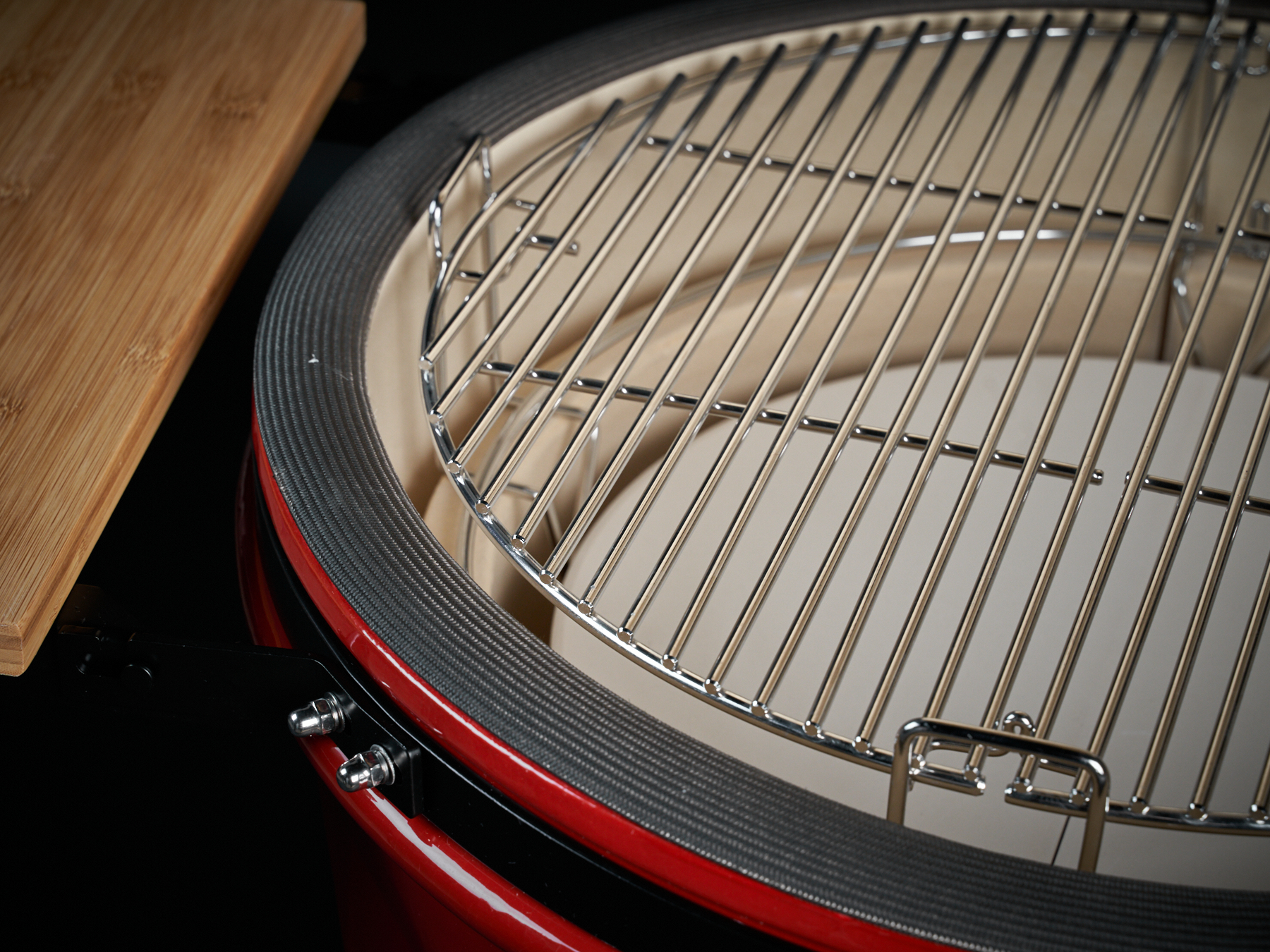
Especially resistant to high heat, perfectly flexible and fitable. Yet there is a crucial moment during its fitting, make sure that during the first start up the temperature does not exceed 150 degrees C, keeping the temperature at this level will allow the spacer glue to melt and attach appropriately.
If this instruction is neglected, the spacer’s glue will simply detach and fall off, if this happens get in touch with the store you got your grill from. The cleaning of these spacers is as simple as wiping it with dry cloth.
Two-Zone Cooking system.
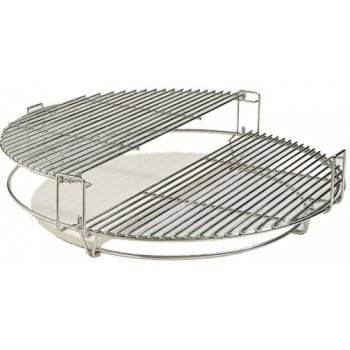
There are many ways you can use this system, frying, brewing stews and smoking whatever you can think of. These stainless steel grate can be easily cleaned, brushed with a wire brush and even put in the dishwasher if you so wish. The washing of the ceramic heat deflectors is to be strictly avoided, the care method is as follows: place a drip pan ontop to collect anything falling from above, flip the sides of the deflectors from time to time as you use them, to heat up the grill to 350-450 degrees celsius during an active period of cooking.
Temperature Control:
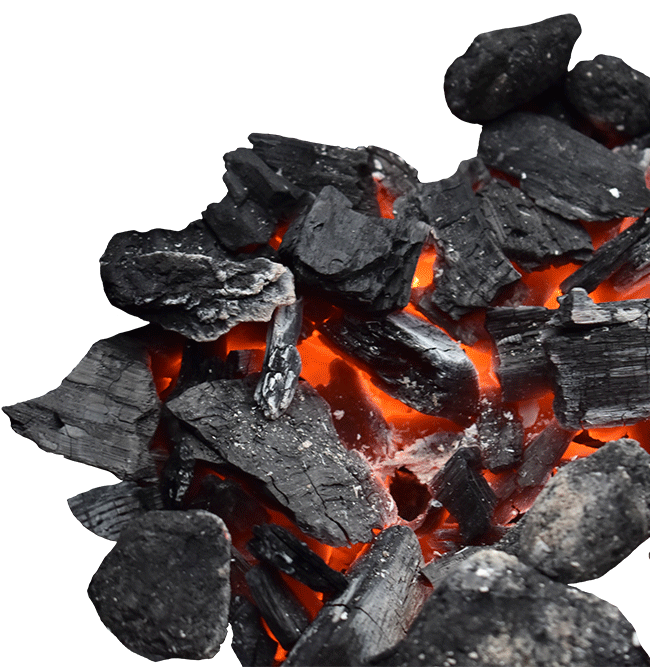
The most important aspect of temperature control is good coal, the type that you can light without frustration or displeasure. Rather than having half a log sized piece of coal, the coal should be of medium size(5-15cm), big pieces simply do not fire up as willingly and the small pieces would cover up the grill “air-holes” hindering the air flow and as a consequence the temperature and its control.
- Good coal doesn’t need to be burnt until a white crust appears in order to be used. The idea that it does is the excuse of coal producers who incorrectly burn the coal(in a cheaper way), which results in the higher remains of moisture within the coal itself causing an unpleasant smell to rise from the fuel source as it’s burning up to that point.
- The use of briquettes with this grill is not recommended, although they generate a higher temperature and burn longer they also increase the chance of the firebox splitting. Outside of that, not all briquettes are made ecologically or in a non health hazardous way. Choose your fuel source responsibly.
- Doesn't leave much ash
Note that good coal will easily generate especially high temperatures of 350-450 used for cooking pizzas or ‘burning out’(cleaning) the grill itself, while also being of a quality that allows a consistent temperature of 70-110 for a duration of up to 12 hours for the purpose of slow cooking and smoking food in big grills, such as our Pro and Pro2 models, and in the small grills for up to 6 hours.
Kamado club coal:
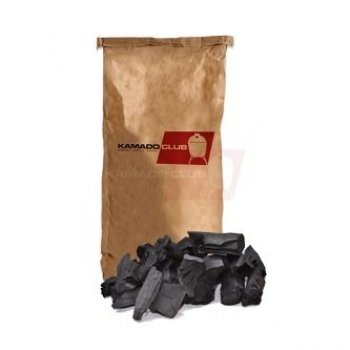
Is produced in a special way that guarantees the absence of bark or any other unwanted admixture. The coal is also sifted in such a way that allows for all coal pieces to be of the optimum size for cooking purposes. It easily fires up and does not emit smoke or unpleasant smells.
Conclusion
Yes there is a little more complexity to these beautiful grills, but it does not mean that you will find it complex in the long term, no, even in the short term... The secret is mistakes, make mistakes and you will find that you will quickly start 'feeling' your grill much like you 'feel' your car, unlike the car you don't need to worry about the side and rear view mirriors or even the blind spot, all you've got is your fuel source, your air flow and the food you are cooking, get a feel for each and you will start whipping up meals with a richer taste than ever before.


